Your Guide to Training
Get Answers to Your Questions
Welcome to our FAQ page! Here, you’ll find straightforward answers to common queries about heavy vehicle and forklift licence training. Whether you’re curious about our courses, pricing, or booking process, you’re in the right place. Let’s help you get started safely and confidently.
Frequently Asked Questions
Get quick answers to your common queries. We're here to help.
Heavy Vehicle Truck Licences
What heavy vehicle licences do you offer?
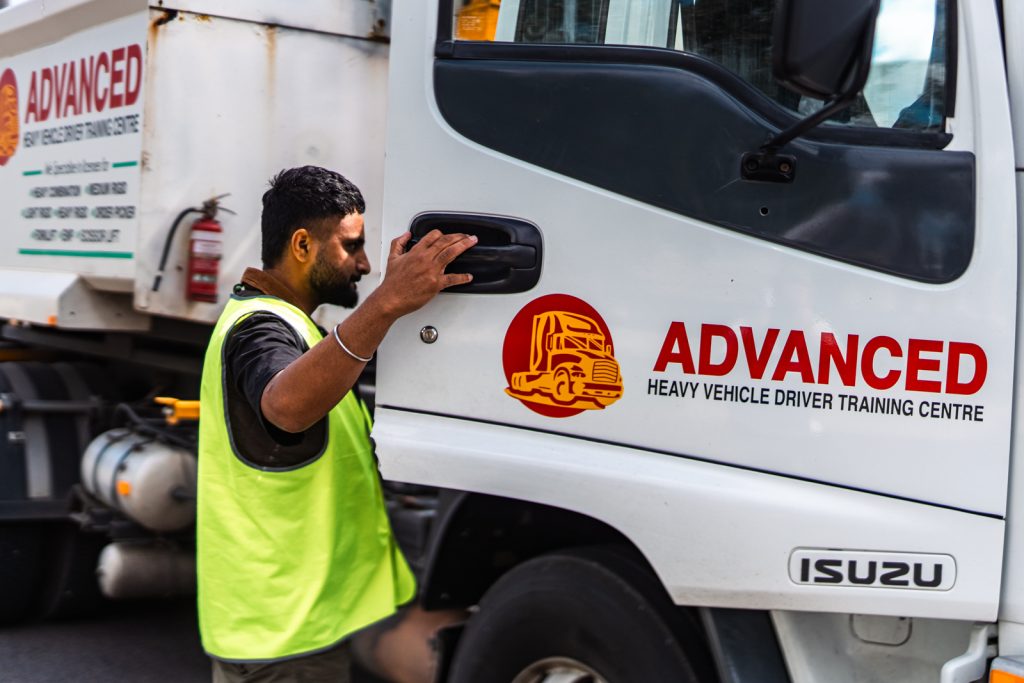
We offer comprehensive training for all heavy vehicle licence classes in Victoria: Light Rigid (LR), Medium Rigid (MR), Heavy Rigid (HR), Heavy Combination (HC), and Multi-Combination (MC). All courses are VicRoads approved and available with optional Nationally Recognised Training (NRT) qualifications.
How long does each course take?
Where is the training held?
How much do the courses cost?
For the most up-to-date fees, please see our course listings for the latest prices.
What vehicles can I drive with each licence?
Light Rigid (LR): Vehicles over 4.5t up to 8t GVM, or buses seating more than 12 people including the driver Medium Rigid (MR): Any 2-axle rigid vehicle greater than 8 tonnes GVM Heavy Rigid (HR): Vehicles 8 tonnes GVM and above with three or more axles Heavy Combination (HC): Prime movers with semi-trailers over 9 tonnes GVM, B-doubles, articulated vehicles Multi-Combination (MC): Road trains, B-triples, multi-trailer combinations 22+ metres
What are the prerequisites for each licence?
Light Rigid (LR): Car licence for 12 months, aged 18+ Medium Rigid (MR): Car licence for 12 months, aged 18+ Heavy Rigid (HR): Car licence for 24 months, aged 18+ Heavy Combination (HC): Car licence for 24 months, MR or HR licence for 12 months, currently hold HC licence, aged 18+ Multi-Combination (MC): Car licence for 24 months, currently hold HC licence (and have held MR or HR for 12 months prior), aged 18+
Do I need to progress through each licence level?
What's the difference between AUTO, SYNCHRO, and NON-SYNCHRO?
AUTO: Automatic transmission (easier to operate, 1 day course) SYNCHRO: Synchromesh manual transmission with easier gear changes (1 day course) NON-SYNCHRO (Road Ranger): Non-synchromesh manual requiring advanced clutch and gear coordination (1.5 day course) Your licence will specify which transmission types you’re authorised to operate.
Do I need to bring my own vehicle?
What will I learn across all heavy vehicle courses?
All courses cover advanced vehicle control and monitoring, commercial driving safety standards, traffic and road condition management, hazard management and defensive driving techniques, efficient driving techniques, engine power management, vehicle controls and instruments, pre-operational checks, load restraint, cabin drill, and skill manoeuvres including reversing. HC and MC courses also include coupling and uncoupling procedures.
What does each course include?
All courses include pre-reading materials and workbook (provided at booking), face-to-face theory and practical training, instruction on pre-start checks and cabin drill, load restraint techniques, skill manoeuvres and reversing practice, written and practical assessments, and the official VicRoads examination process.
What certification will I receive?
You’ll receive your official VicRoads heavy vehicle licence for the class you complete. If you choose the Nationally Recognised Training (NRT) option, you’ll also receive a Statement of Attainment: LR: TLILIC2014 – Licence to drive a light rigid vehicle MR: TLILIC2015 – Licence to drive a medium rigid vehicle HR: TLILIC2016 – Licence to drive a heavy rigid vehicle HC: TLILIC3017 – Licence to drive a heavy combination vehicle MC: TLILIC3018 – Licence to drive a multi-combination vehicle
What's the difference between nationally recognised and non-nationally recognised training?
Non-nationally recognised: You receive your VicRoads heavy vehicle driver licence, which allows you to legally drive on the road. Nationally recognised (NRT): You receive both your VicRoads licence AND a Statement of Attainment. This is part of the Australian Qualifications Framework and is portable across Australia for employment and further study pathways. Both options provide the same VicRoads licence – the NRT option simply adds the nationally recognised qualification.
Do I need a USI (Unique Student Identifier)?
Only if you choose the nationally recognised training option. A USI is required to issue your Statement of Attainment and allows you to access your accredited training records for life. It’s not required for the VicRoads licence-only option.
Will my VicRoads heavy vehicle licence be valid outside Victoria?
Victorian driver licences are recognised nationally for driving. If you relocate interstate, you’ll generally need to transfer your licence to the new state within their specified timeframe. If you obtained nationally recognised training, your Statement of Attainment remains nationally recognised for training and employment pathways.
What are the common entry requirements across all courses?
All courses require you to be 18 years or older, hold a valid Victorian car driver’s licence (duration varies by course), meet VicRoads eligibility and eyesight requirements, complete a Language, Literacy, Numeracy and Digital (LLND) assessment, and have the physical capacity to safely enter and exit heavy vehicles and sit for extended durations.
What assessments are involved?
All courses include theory review and written assessment, practical assessment covering pre-start checks, cabin drill, load restraint, and skill manoeuvres (including reversing), and the official VicRoads licence assessment. HC and MC courses also include coupling and uncoupling procedures.
What happens if I don't pass the assessment?
When do I receive my course materials?
What do I need for the pre-work?
You’ll need access to the internet and a smartphone, tablet, or laptop to complete the pre-reading and workbook activities.
What should I bring on the day?
Bring your current Victorian Driver’s Licence (essential – must carry it at all times during training), proof of identity for VicRoads as required, your completed workbook, and wear enclosed suitable footwear (steel-capped boots recommended) and clothing for practical training including long pants.
What if I need extra time or support?
Tell us before training day. We can discuss reasonable adjustments aligned with licensing requirements and safety.
What's the difference between weekday and weekend pricing?
Weekend courses cost more due to premium training time. Both weekday and weekend courses provide the same comprehensive training and certification.
What career opportunities do heavy vehicle licences provide?
Light Rigid: Delivery driving, small truck operations, bus driving Medium Rigid: Medium truck driving, larger delivery vehicles, transport and logistics Heavy Rigid: Construction and waste industry, concrete delivery, heavy equipment transport Heavy Combination: Interstate freight, long-haul transport, B-double operations Multi-Combination: Road train operations, remote area freight, elite heavy transport positions
Can I upgrade to higher licence classes later?
Yes, you can progressively upgrade your licence as you gain experience and meet the prerequisite requirements for each level. Many professional drivers start with LR or MR and work their way up to HC or MC as their careers progress.
Which licence should I start with?
This depends on your career goals and current licence history. If you’ve held your car licence for only 12 months, you can start with LR or MR. If you’ve held it for 24 months, you can go directly to HR. Speak with us about your goals and we can recommend the best pathway.
Are international students eligible?
If you’re on a visa, you must be legally allowed to train without breaching your visa conditions. Heavy vehicle training units (TLILIC series) are generally not registered on CRICOS, and we are not a CRICOS provider. Please verify your visa conditions before enrolling.
What's the typical career progression path?
High Risk Work Licences
(Forklifts & Elevating Work Platforms)
What forklift and high risk work licences do you offer?
How long does each course take?
Where is the training held?
How much do the courses cost?
For the most up-to-date fees, please see our course listings for the latest prices.
What equipment can I operate with each licence?
What are the prerequisites for each licence?
- Be 18 years or older
- Provide primary photo ID (Keypass, Passport, or Australian Driver’s Licence)
- Have basic English literacy and numeracy skills
- Complete a Language, Literacy, Numeracy and Digital (LLND) assessment during enrolment
- Have the physical capacity for practical training
- Have a verifiable USI (Unique Student Identifier)
- Be 18 years or older
- Provide primary photo ID
- Have basic English literacy and numeracy skills
- Complete a Language, Literacy, Numeracy and Digital (LLND) assessment during enrolment
- Have the physical capacity for practical training
- Have a verifiable USI (Unique Student Identifier)
Do I need a driver's licence to get these licences?
Do I need previous experience?
No, previous experience is not required for any of these courses. All courses are designed to take you from beginner to competent operator.
Are these licences independent of each other?
What's the difference between a High Risk Work licence and competency training?
High Risk Work Licences (LF, LO, WP): Require a WorkSafe Victoria licence to operate legally. You receive a Statement of Attainment and then apply to WorkSafe Victoria for your licence.
Scissor Lift (under 11m): Does NOT require a High Risk Work licence in Victoria, but employers must ensure operators are trained and competent. This course provides the nationally recognised competency and evidence of training required.
What will I learn?
What does each course include?
All courses include pre-reading materials and workbook (issued at booking), face-to-face training combining theory and hands-on practical exercises, specialised equipment provided, expert instructor guidance, assessment and certification, and all necessary course materials.
What certification will I receive?
How do I get my WorkSafe Victoria licence after completing the course?
What's a USI and why do I need one?
Are these qualifications nationally recognised?
Will my licence be valid outside Victoria?
Your Statement of Attainment is nationally recognised across Australia. High risk work licences (LF, LO, WP) are state-issued – if you relocate interstate, you may need to apply for a licence in that state, but your Statement of Attainment will be accepted as proof of competency. Scissor Lift competency is recognised nationally.
What are the physical requirements?
Do I need to bring my own equipment?
No, all forklift, order picking, boom-type EWP, and scissor lift equipment is provided during training. However, you must bring appropriate PPE.
What PPE (Personal Protective Equipment) do I need?
- Steel-capped safety boots (mandatory) or closed-toe sturdy shoes
- Long pants (no shorts)
- High-visibility vest (provided if you don’t have one)
- Comfortable clothing suitable for practical work
- Hard hat (check with training centre as may be provided)
- Safety harness (provided during training)
What assessments are involved?
What happens if I don't pass the assessment?
Contact us to discuss re-assessment options or additional training if needed.
When do I receive my course materials?
Course study materials are issued at the time of booking. You must complete the pre-reading and workbook before your scheduled training to maximise your hands-on practical time.
What if I need extra time or support?
Tell us before training day. We can discuss reasonable adjustments aligned with licensing requirements and safety.
What do I need for the pre-work?
You’ll need access to the internet and a smartphone, tablet, or laptop to complete the pre-reading and workbook activities.
What should I bring on the day?
Bring your completed workbook, photo ID, steel-capped safety boots or closed-toe sturdy shoes (mandatory), long pants, and high-visibility vest if you have one. Remove any jewellery that could pose a safety hazard and avoid loose clothing.
Can international students or visa holders enrol?
What career opportunities do these licences provide?
Can I get multiple licences?
Yes, many operators obtain multiple licences to maximize their employment opportunities. Common combinations include LF + LO for warehouse versatility, or WP + Scissor Lift for comprehensive elevated work platform capabilities. You can complete them separately or inquire about combination training options.
Which licence should I start with?
How long are the licences valid for?
Do I need to do a refresher course?
What's the job demand like for these qualifications?
ll these qualifications are in high demand across Victoria. Forklift operators (LF/LO) are essential in warehousing and logistics. Elevated work platform operators (WP/Scissor Lift) are critical in construction, maintenance, and facilities management. Multiple qualifications significantly increase employment opportunities.
Can these qualifications contribute to further certifications?
Yes, TLILIC0003, TLILIC0009, and TLILIC0005 can contribute toward Certificate qualifications from the Transport and Logistics Training Package. RIIHAN308F can contribute to Certificate qualifications from the RII Training Package or other plant-related units such as progressing to TLILIC0005 for boom-type platforms. All provide pathways to career advancement.
What's the difference between scissor lifts and boom-type EWPs?
What's the difference between forklifts and order pickers?
I work in construction - which licences do I need?
For construction work, you’ll typically need Scissor Lift (RIIHAN308F) for general elevated work under 11 metres. If your work involves heights over 11 metres or requires reaching over obstacles, you’ll also need Boom-Type EWP (WP – TLILIC0005). If your site involves material handling, add Forklift (LF – TLILIC0003).
I work in warehousing - which licences do I need?
For warehousing, start with Forklift (LF – TLILIC0003) as it’s the most commonly required. Add Order Picking (LO – TLILIC0009) if you need to pick stock from height. Some warehouses also require Scissor Lift for maintenance or high-level work.
Have a Question? We're Here to Help.
If you can’t find the answer you need in our FAQ, feel free to reach out. We’re dedicated to assisting you with everything related to heavy vehicle and forklift training.
By clicking Send Message, you agree to our Terms and Conditions.